
Valency Blog
Updates and thoughts from the team building Valency, the home for people-centered, AI-accelerated research.
- Post 20CompanyValency bond
From hallucination to citation: Valency MCP Bond comes to CBorg
Berkeley Lab researchers can now ground their AI work in the scientific literature, right where they already work.
- Post 18CompanyValency hub
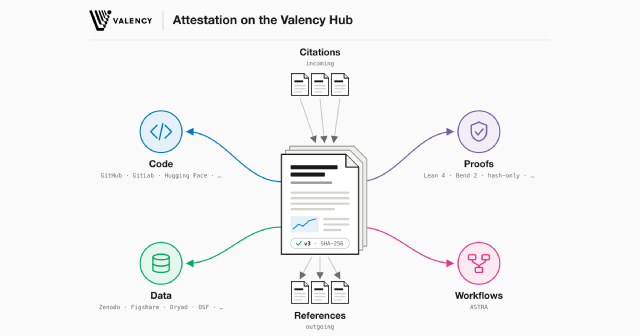
Show your work: attested code, data, proofs, and workflows on the Valency Hub
Products supporting a publication are recorded, timestamped, and versioned to facilitate replicability, reproducibility, and trust.
- Post 17CompanyValency bond
ChemRxiv is now in Valency
Chemistry preprints now sit alongside PubMed, arXiv, and the entirety of the research corpus, searchable in one query.
- Post 16CompanyValency bond
RefinedScience Partners with Valency to Accelerate Drug Development Research
Valency MCP Bond expands the reach of RefinedScience's AI co-scientist across tens of millions of research papers, helping scientists uncover new connections and sharpen the hypotheses that drive drug development.
- Post 15Company
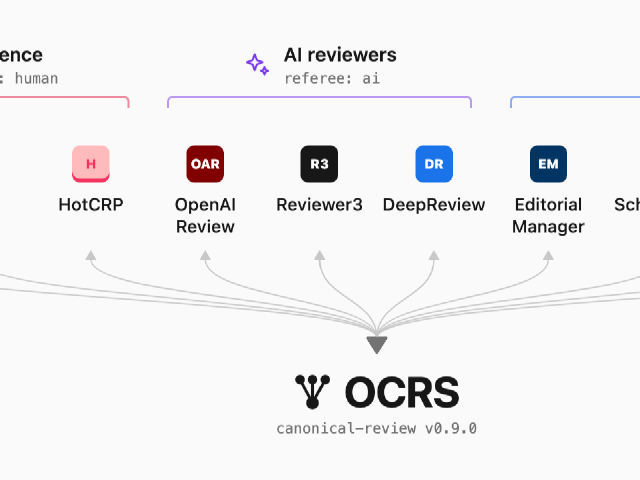
Peer Review in the Agentic Era
The Open Canonical Review Schema (OCRS) is an open-source interoperable data model to capture, store, and disseminate AI and human peer review, built to further agentic research. Try it at ocrs.valency.io
- Post 14Valency hubIn the news
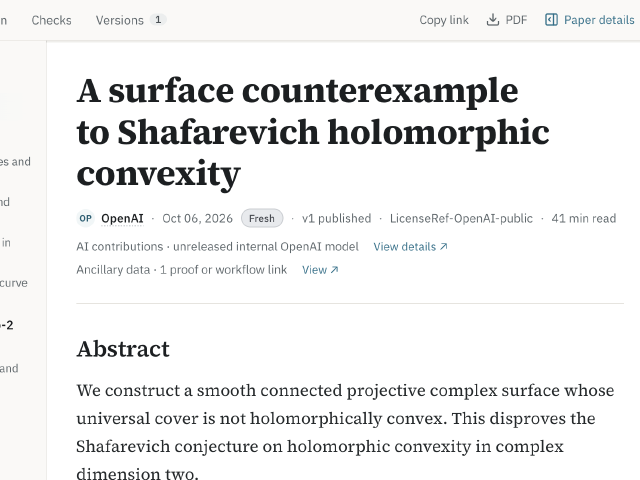
Valency hosting AI-accelerated math works from OpenAI
A new Hub collection brings together the 722 math results OpenAI released today, with the proofs alongside the papers.
- Post 13CompanyValency hub
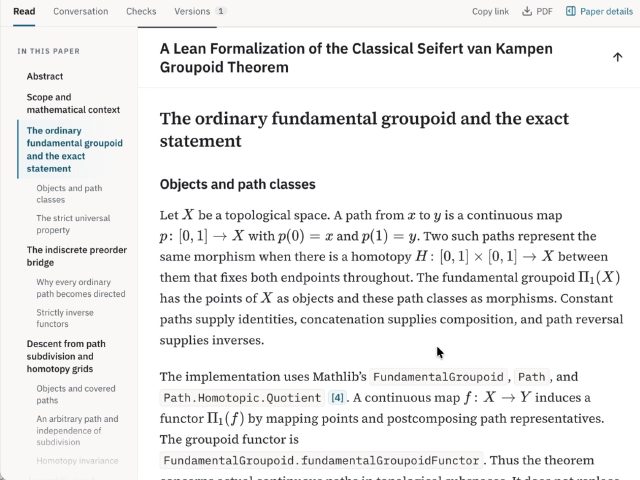
Valency Hub: A new home for research
Accelerating the frontiers of science and math requires a new surface for agents and people alike.
- Post 12In the newsValency bond
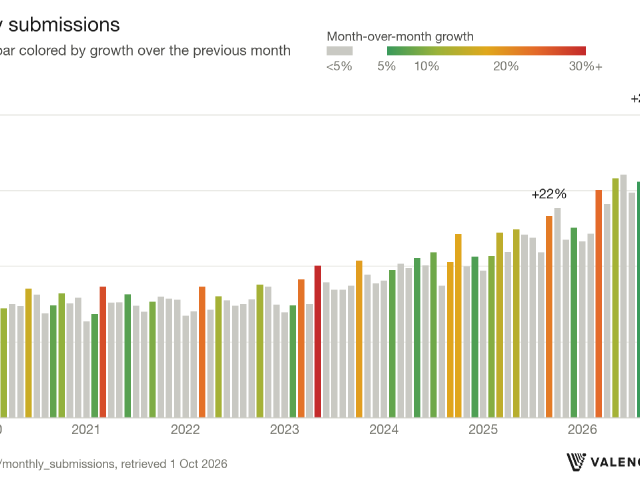
arXiv is tapping the brakes
A cap of two submissions a month looks like a small policy change. For many of us in science, it's a sea change.
- Post 11CompanyValency bond
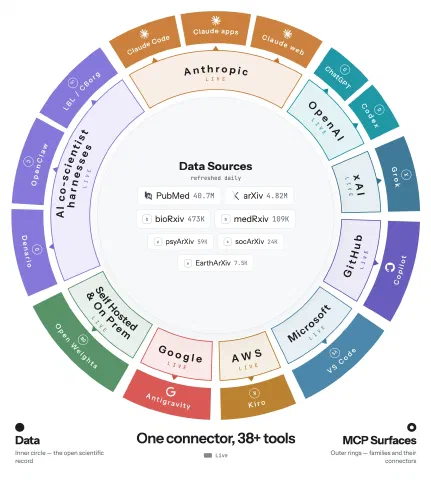
Valency Bond Is Live for All Users
Starting today, integrate with the AI systems you already use to instantly access over 44.5 million papers.
- Post 10Analysis
Why be uncertain?
TypeSafe's Jev returns decisions with calibrated probabilities attached. Keeping those probabilities (rather than collapsing them to YES/NO) is what buys you composition, intelligent randomness, and a signal for when to try harder.